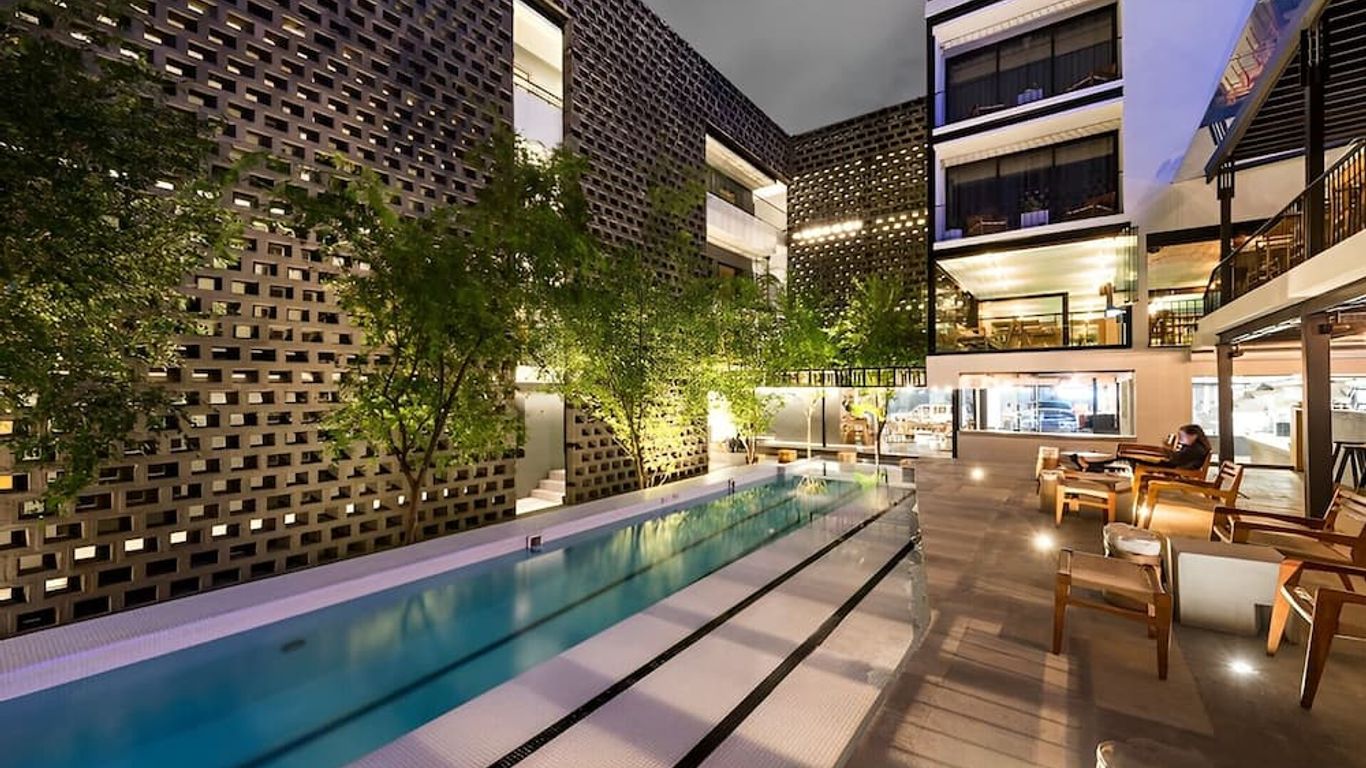
Mexico's luxury hotel market has been earning international recognition at an accelerating rate. Michelin Keys arrived in 2024. Forbes Travel Guide has expanded its Mexican coverage significantly over the past 5 years. The editorial lists (CNT Gold List, T+L World's Best) have increased their Mexico selections as the country's hospitality has reached a level that demands attention.
The result: a group of Mexican hotels now hold multi-system award credentials that rival properties in Paris, Tokyo, and New York. Here's where the awards have concentrated, and what the patterns reveal about Mexico's place in global luxury hospitality.
Mexico City
Hotel Carlota and the broader wave of design-forward boutique hotels in Roma, Condesa, and Juarez have earned Michelin Keys and editorial recognition for bringing a specifically Mexican design sensibility to the luxury category. The Michelin character criterion works in Mexico City's favor: the city's neighborhoods have such strong identities that hotels absorbing that identity score well on "contribution to the surrounding setting."
Las Alcobas (Mexico City) earned Michelin Keys and editorial recognition for its position in Polanco, one of the city's most walkable and culturally rich neighborhoods. The property is small (35 rooms) and operates with a design sensibility that references Mexican modernism without being heavy-handed about it. The spa (by Elena Brower) and the restaurant (Anatol) both earn their own recognition. Las Alcobas demonstrates the boutique pathway: a property that earns awards through personality rather than scale.
Los Cabos
The Cape, a Thompson Hotel (Cabo San Lucas) earns recognition on a design-forward axis. The Javier Sanchez-designed building (angular concrete above Monuments Beach) scores well with Michelin and editorial lists for design and character, while the Manta restaurant (by Enrique Olvera) adds a culinary credential. The Cape demonstrates that awards in Los Cabos aren't limited to the traditional ultra-luxury segment.
Grand Velas Los Cabos has collected Forbes recognition and reader poll placements for combining the all-inclusive model with a level of culinary and spa programming that the all-inclusive category rarely achieves. The property's 3 restaurants (Mexican, French, and international) and the SE spa have each earned independent recognition, proving that the all-inclusive format and serious awards aren't mutually exclusive.
Riviera Maya
Chable Yucatan operates outside the Riviera Maya's beach resort model, sitting inland near Merida on a restored hacienda with a cenote at its center. The property has earned Michelin Keys and significant editorial recognition for its wellness programming (rooted in Mayan healing traditions), its setting (the cenote, the hacienda gardens, the jungle), and its food (drawing on Yucatecan cuisine with contemporary technique). The award stack reflects what Michelin values most: a property with a sense of place that couldn't exist anywhere else.
Andaz Mayakoba has earned recognition along the Riviera Maya coast for its integration with the mangrove landscape and its contemporary design sensibility within the broader Mayakoba resort community.
Riviera Nayarit and Pacific Coast
Four Seasons Naviva earned Michelin Keys and editorial recognition for doing something that few properties attempt: removing structure entirely. 15 tented bungalows. 30 guests maximum. No fixed schedule, no restaurant hours, no spa building. Treatments in forest pods. The awards reflect the property's distinctiveness: there's nothing comparable in Mexico or anywhere else. The Michelin "personality and character" criterion is essentially designed for properties like this.
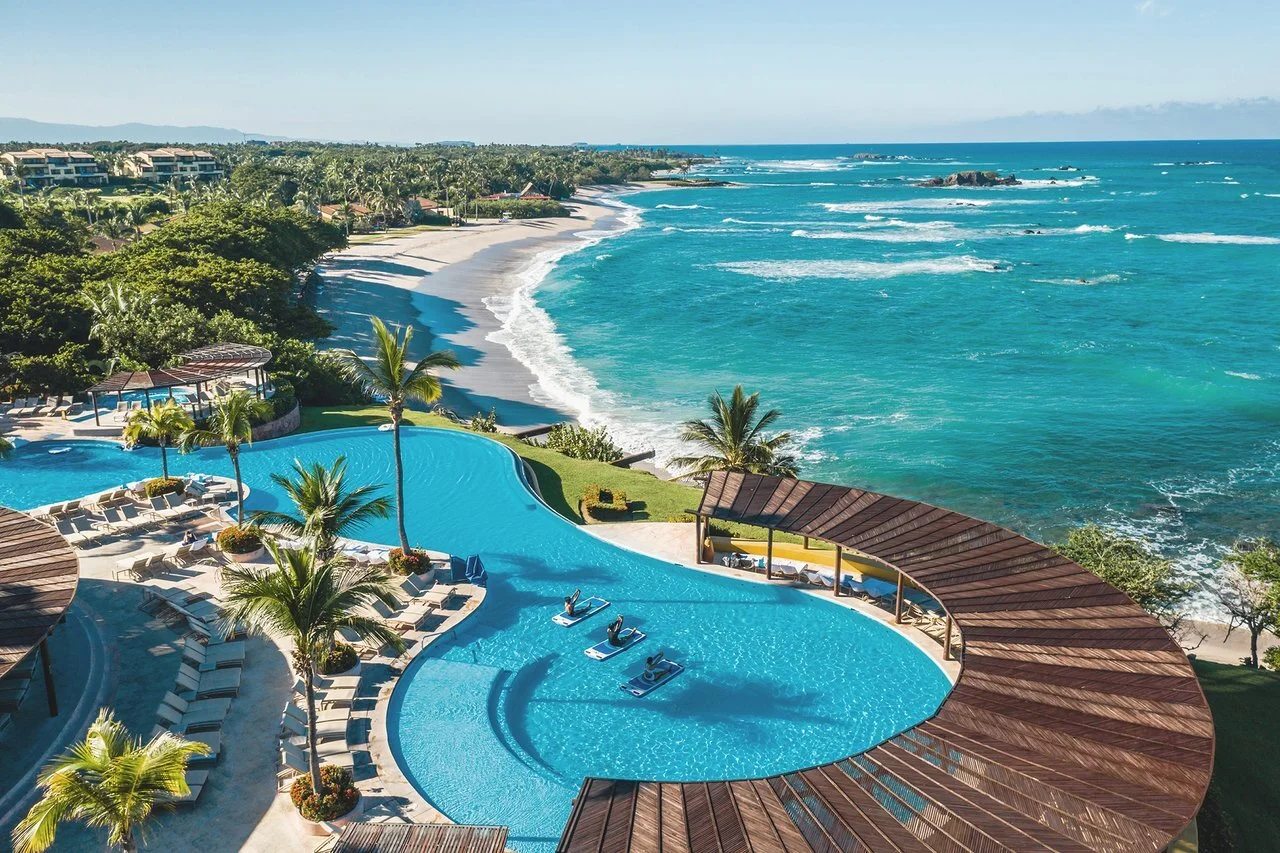
Four Seasons Resort Punta Mita holds a different award profile from Naviva. The resort earns recognition for its golf (the Tail of the Whale, a natural island green on the Pacifico course, is among the most photographed holes in the world), its food program (multiple restaurants, a Wine Spectator award), and its service consistency (the Four Seasons standard, which aligns naturally with Forbes methodology). Where Naviva wins awards for being unlike anything else, Punta Mita wins them for executing the luxury resort model at an exceptionally high level.
Imanta Resorts Punta de Mita collects Michelin and editorial recognition for its jungle-meets-ocean setting and design that prioritizes natural materials and privacy. The property is small (12 casitas) and operates with a philosophy that favors solitude over social. The awards reflect the Riviera Nayarit's broader strength: the coastline produces a diversity of luxury properties (large resorts, intimate retreats, wellness-focused concepts) that earn recognition across different award systems for different reasons.
San Miguel de Allende
Live Aqua Urban Resort San Miguel de Allende and the broader hotel scene in San Miguel have benefited from the city's UNESCO World Heritage designation and its growing reputation as a design and culinary destination. The colonial architecture provides a natural source of character, and the growing concentration of serious restaurants gives hotels a culinary context that strengthens award candidacy.
Hotel Matilda earns recognition for combining contemporary art (the collection includes pieces by Damien Hirst and several Mexican artists) with a boutique scale and a position in San Miguel's historic center. The Michelin character criterion rewards this type of property: a hotel where the art, the architecture, and the location create something that couldn't be replicated elsewhere.
What the Award Patterns Reveal
Mexico's award trajectory reveals 3 things about the current state of the country's luxury hospitality.
Diversity of concepts. The most awarded Mexican hotels aren't all doing the same thing. You have beach resorts, urban design hotels, jungle retreats, inland haciendas, and cultural properties earning recognition from different systems for different reasons. This diversity is a strength: Mexico offers luxury travelers more variety of experience than almost any single country in the world.
Michelin's impact. The arrival of Michelin Keys in Mexico in 2024 gave the country's most distinctive properties a new avenue for recognition. Forbes Five Stars reward operational excellence, which favors larger properties with trained service teams. Michelin Keys reward character and sense of place, which favors the boutique, design-forward, and culturally rooted properties that Mexico produces in abundance.
The Michelin expansion has made Mexico's award profile more representative of its actual hospitality quality.
The coverage gap is closing. Five years ago, Mexico was underrepresented in global hotel awards relative to the quality of its hotels. Forbes coverage was limited. Michelin didn't exist in the market. Editorial lists included a handful of the most prominent properties and overlooked the rest. That gap is closing rapidly, and the hotels earning recognition now are the first wave of a much larger group that will appear as coverage continues to expand.
Mexico's luxury hotel market is mature enough to compete at the highest global level and diverse enough to produce award winners across every category. The properties on this list are the ones that the rating systems have found so far. The ones they haven't found yet are the reason to keep paying attention.
Explore Related Stories

Read the Room Before You Book.